PEN TRIALS
Testing the nib
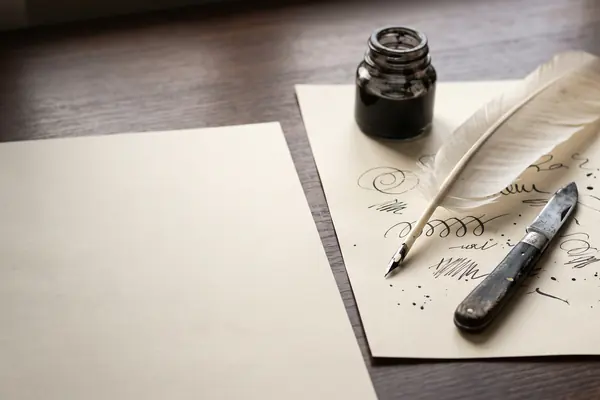
After trimming a dull quill with a knife, a scribe tested it on a spare leaf with squiggles, letters and musical notes. Some even wrote probatio pennae, 'I test my pen'.
Read a margin docudoodle
A GUIDE TO OLD MARGINS
People have always drawn on the page.
LOOK at the edges
15+ scribes Scribes who tested pens on a single blank page
Medieval scribes tested their freshly cut pens on spare leaves, readers drew tiny hands pointing at the lines they liked, and painters filled margins with knights fighting snails. Many of these marks were tools, not idle scribbles, and historians read them as clues.
THE SHORT ANSWER
Testing a pen, marking a passage,
or decorating a precious book.
PEN TRIALS
After trimming a dull quill with a knife, a scribe tested it on a spare leaf with squiggles, letters and musical notes. Some even wrote probatio pennae, 'I test my pen'.
Read a marginMANICULES
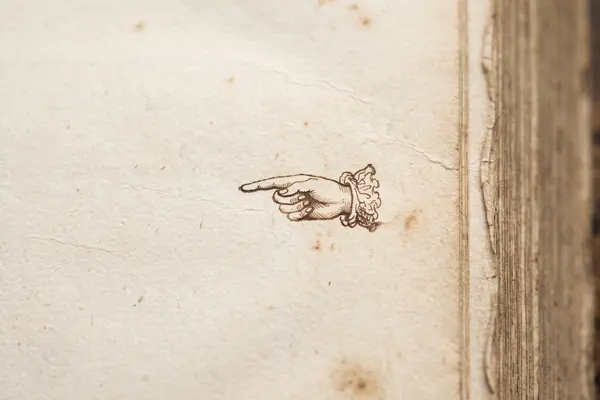
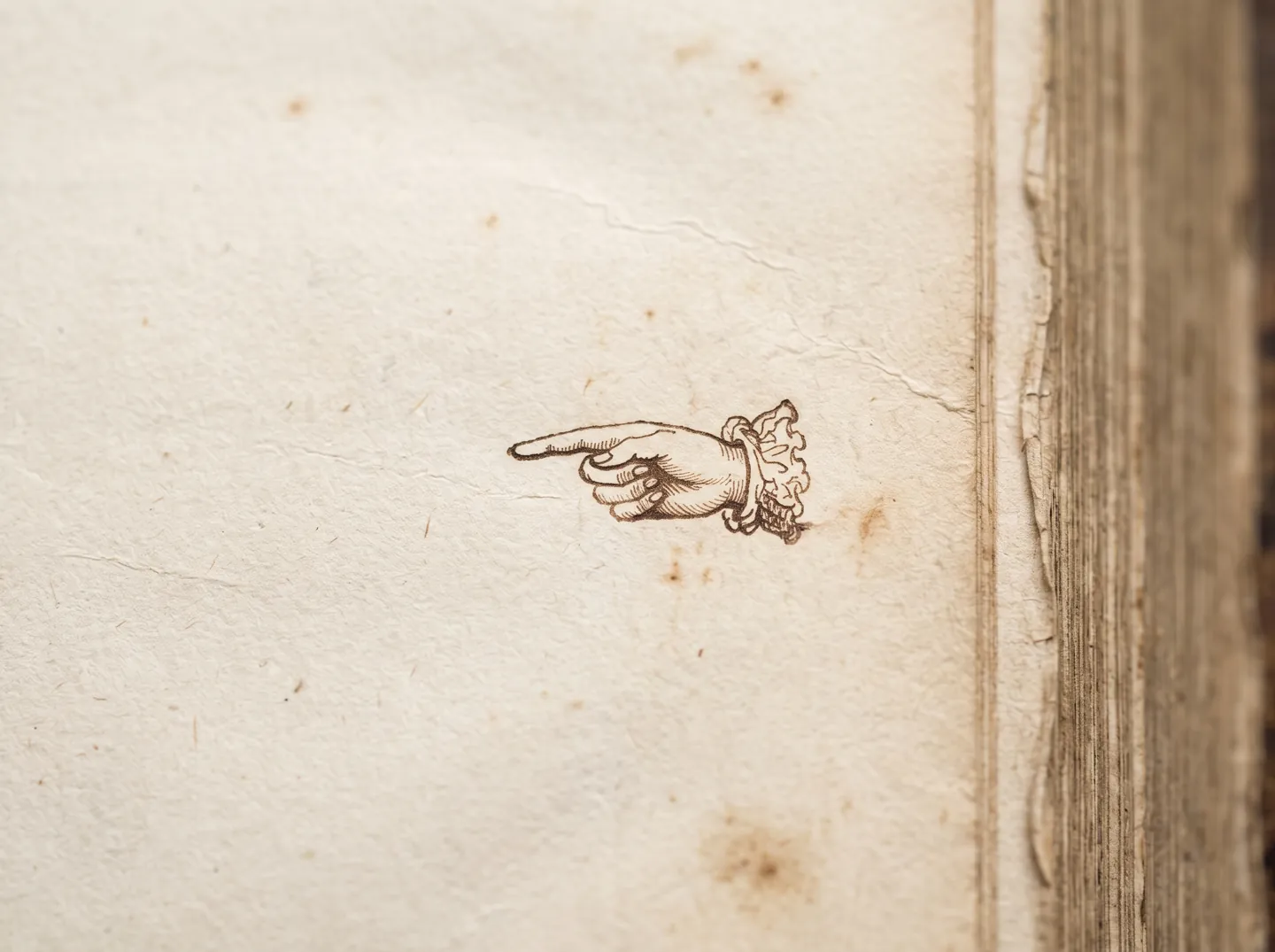
From the 12th to the 18th century, readers drew small hands with a pointing finger beside passages that mattered. Each reader drew them differently, almost like a signature.
More on handsMARGINALIA
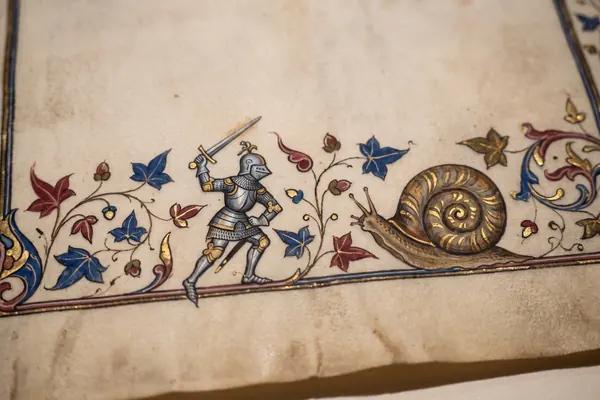
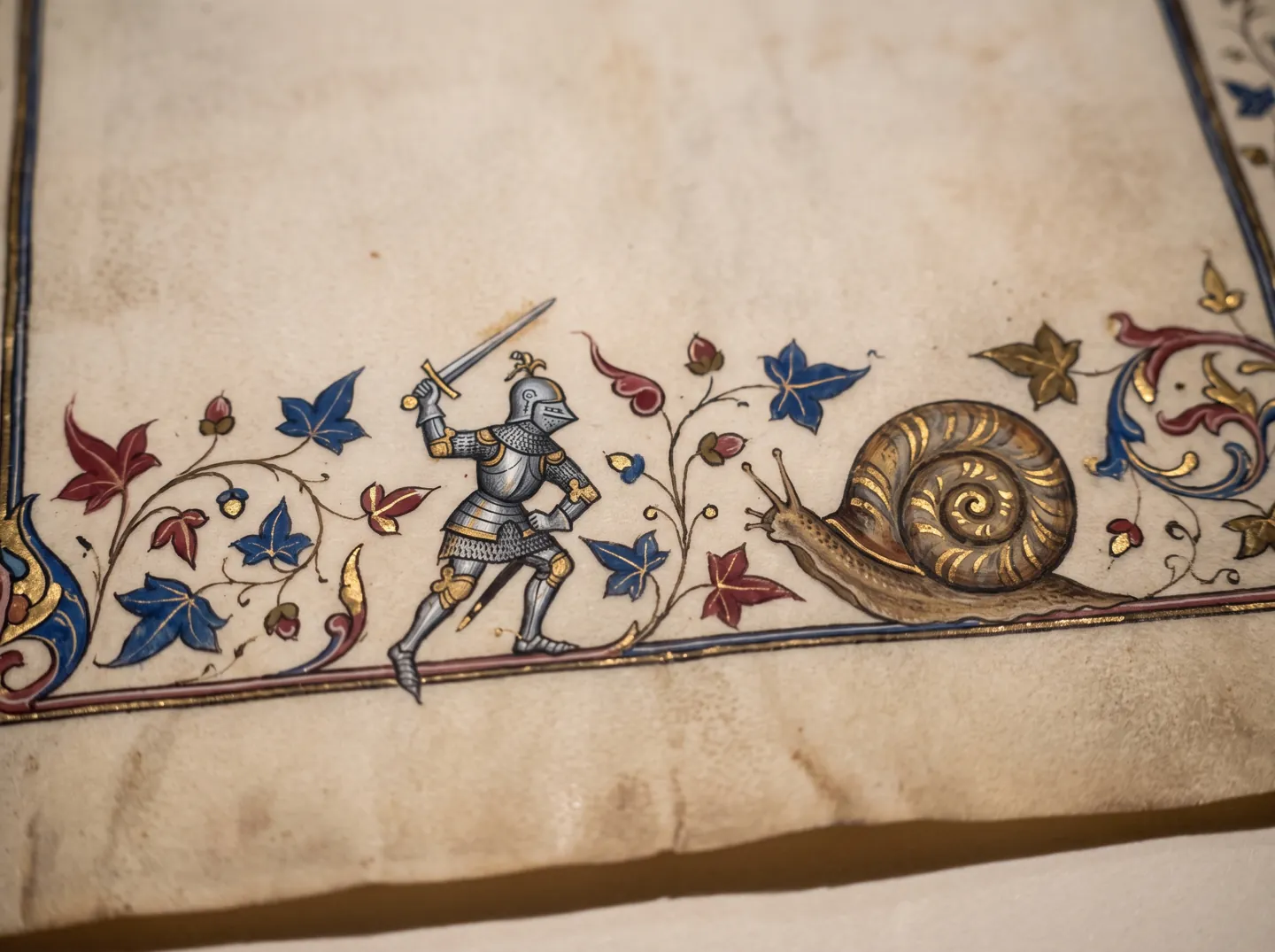
Knights fighting snails are common in 13th and 14th-century illuminated margins. Scholars still debate what they meant, from a symbol of resurrection to a joke about garden pests.
See the numbersA QUICK MARGIN CHECK
Pick a mark you might see in an old book or file. The bar shows how likely it is to have been a working mark with a purpose, rather than an idle scribble.
Based on manuscript research from Leiden University, the British Library, the University of Melbourne and the US National Archives.
FOUR THINGS TO LOOK FOR
Many libraries put digitised manuscripts online. These are the places where the doodles hide.
Pen trials are most often found on the flyleaves at the back of a manuscript.
Small dots near pen trials may come from tapping the quill on the page to shape the nib.
A run of hands drawn the same way can show you one reader's interests across a whole book.
In illuminated books, look around the text for tiny scenes: British Library examples show knights battling snails, and even a monkey taking the knight's place.
TWO NUMBERS WORTH KNOWING
One page tested by a whole scriptorium,
one symbol used for six centuries.
15+ scribes
Scribes who tested pens on a single blank page
A page left blank at the end of a ninth-century manuscript was filled with pen trials, probably in the later 12th century, by at least fifteen scribes: alphabets, a small portrait and musical notes.
ONE PAGE · PARKER LIBRARY
6 centuries
How long readers drew pointing hands
Between the 12th and 18th centuries the manicule was one of the most common marks readers added to manuscripts. Handwritten ones faded out in the 18th and early 19th centuries as printed hands took over.
THE MANICULE · 12TH–18TH C.
Sources: Erik Kwakkel, medievalbooks.nl (Cambridge, Parker Library, MS 223); Gemma Lee, University of Melbourne Archives and Special Collections blog (2017).
THE POINTING HAND
There was no standard way to draw a manicule, so readers made their own. Some drew plain hands, some added sleeves with folds, some stretched the finger far beyond human proportions, and one 14th-century reader used an octopus with spread tentacles to point at a long passage.
Because each reader's hand looked different, manuscript historians can sometimes recognise one reader within a book, or across a library. The symbol has had about fifteen English names, including hand, fist, index and bishop's fist.
Questions
A test written by a scribe after trimming a quill, to check the nib's width and that strokes had no white streaks. Pen trials are squiggles, single letters, short words, nonsense phrases or musical notes.
It is Latin for 'I test my pen'. Twelfth-century scribes at Rochester Priory in Kent wrote the phrase among their pen trials on a flyleaf, now in the Bodleian Library.
Nobody is certain. Ideas include the Resurrection, a jibe at the Lombards, the poor against the aristocracy, and the snail as a garden pest. The British Library notes that marginal images had no fixed meaning.
Pen trials from Rochester show that monks there had trained across Europe, because scribes learned slightly different letter shapes in different places. Manicules show which passages a reader found important.
Yes, though few such papers were filed. A US National Archives archivist found a 1953 State Department telegram covered in filled-in letters, boxes, shapes, an outlined paperclip and a comet.
Updated
ABOUT THIS NAME
docudoodle.com is part of the DoodleSale portfolio. It isn't in an auction right now, but you can ask about leasing it.